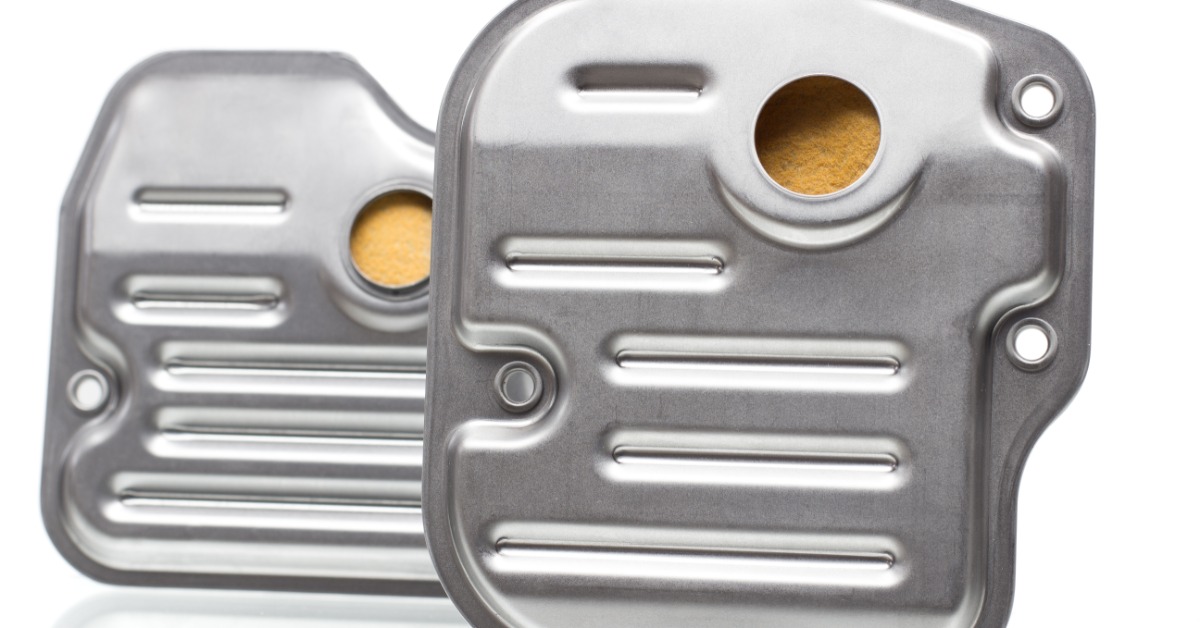
Drivers who love working on their vehicles know that every component inside a transmission plays a critical role. The transmission filter, though small, protects internal parts from harmful debris and contamination.
However, when that filter clogs, damage can follow. Fortunately, you can prevent this from happening by spotting the various warning signs. Find out how to tell if your transmission filter is clogged.
Delayed or Slipping Shifts
One of the first signs of a clogged transmission filter shows up during gear changes. You may notice hesitation when shifting from park to drive or from one gear to the next. The vehicle might also slip out of gear while driving, especially under load or during acceleration.
A restricted filter limits fluid flow, and that fluid provides the hydraulic pressure needed for smooth engagement. Without consistent pressure, gears cannot engage firmly. Drivers who demand performance from their vehicles often feel these subtle changes before a major issue develops.
Unusual Transmission Noises
Strange sounds can signal trouble inside your transmission. A clogged filter can cause whining, rattling, or buzzing noises, especially when the vehicle accelerates. These sounds often grow louder as the restriction worsens.
When the filter blocks proper fluid circulation, internal components struggle to receive adequate lubrication. Metal parts then create friction, producing noticeable noise. Ignoring these sounds can accelerate wear and lead to costly repairs.
Overheating Transmission Fluid
Another warning sign that your transmission filter is clogged is overheating fluid. Transmission fluid must flow freely to cool internal components. A clogged filter disrupts that flow and forces the system to work harder.
You might notice a burning smell or see a transmission temperature warning light on your dashboard. Overheating can damage clutches, seals, and other precision parts. Enthusiasts who push their vehicles during towing, racing, or heavy hauling face even greater risk when fluid cannot circulate properly.
Dark or Contaminated Fluid
Healthy transmission fluid appears bright red and clear. When a filter clogs, contaminants remain trapped in circulation longer than they should. Over time, the fluid may turn dark brown or develop a burnt odor.
Checking your transmission dipstick can reveal this warning sign. Thick, gritty, or discolored fluid often indicates internal wear and restricted filtration. Replacing the filter and fluid promptly can prevent additional strain on gears and clutch packs.
Poor Overall Performance
A clogged transmission filter can also affect the entire driving experience. You may feel sluggish acceleration, rough downshifts, or inconsistent power delivery. Some vehicles may even enter a protective mode to limit further damage.
These performance issues develop because the transmission relies on clean, pressurized fluid to function correctly. When pressure drops or debris circulates through sensitive components, efficiency declines. Addressing the filter early helps preserve the responsiveness that enthusiasts expect from their vehicles.
Now that you know the signs of a clogged transmission filter, make sure you address them immediately when you spot them. A clogged transmission filter rarely fixes itself, and continued driving can compound the damage. Acting quickly protects both your investment and your driving experience.
Transparts Warehouse can help you avoid these issues with our range of performance transmission parts, which include filters. Reach out to us today to get the right parts for your specific repair needs.


