Manual transmissions demand precision when drivers push their vehicles through aggressive acceleration and rapid gear changes. During high-RPM operation, every component inside the transmission must work together to support smooth engagement and consistent performance.
Synchronizers are among the most important parts of this system because they directly influence how the transmission responds during gear changes. By knowing how to choose synchronizers for high-RPM shifting, you can build a transmission that responds with confidence.
What Are Synchronizers?
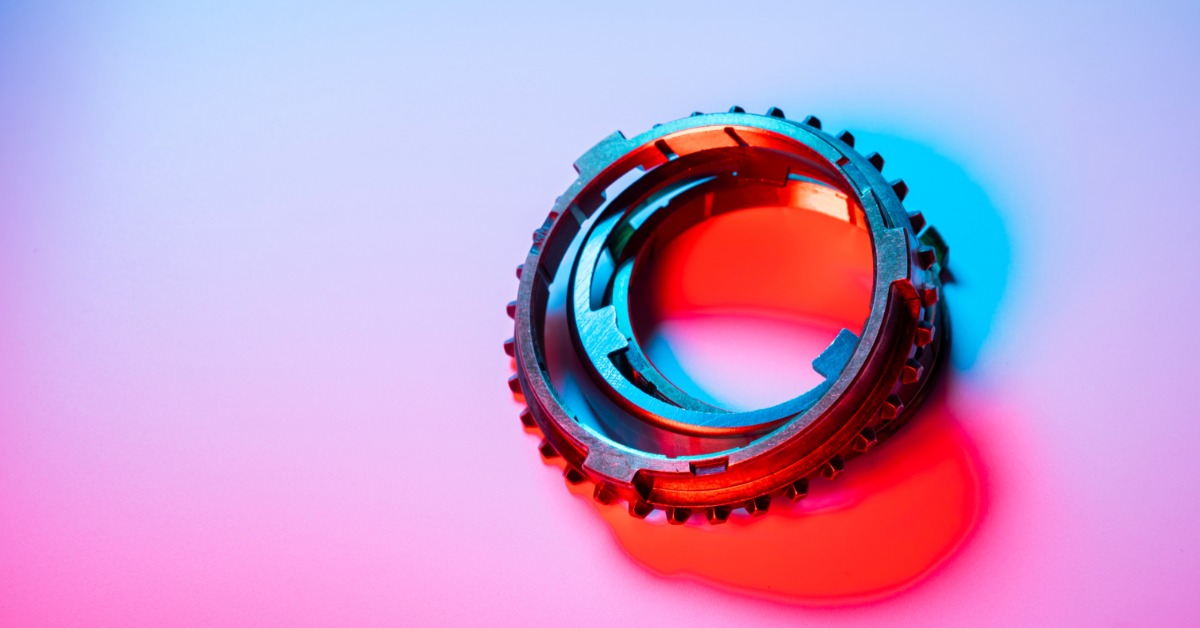
A synchronizer helps bring the gears to the same operating speed before they engage in a manual transmission. They reduce grinding and help drivers complete shifts without excessive force while protecting internal transmission parts from unnecessary wear. Modern manual transmissions rely on synchronizers to create smoother gear changes and a more controlled driving experience.
When a driver selects a gear, the synchronizer works between the sleeve and gear assembly to equalize speed differences. This action allows engagement with less resistance and greater consistency under normal and performance driving conditions. Without synchronizers, shifting at higher engine speeds would become much more difficult and place additional stress on transmission components.
How Does the Right Synchronizer Improve High-RPM Performance?
High-RPM shifting places greater demands on transmission components because gear speeds change rapidly during acceleration. A synchronizer designed for performance applications can help create quicker gear engagement. Drivers benefit from improved responsiveness when the synchronizer handles speed differences efficiently.
Performance synchronizers can also help reduce wear caused by repeated high-speed shifts. By controlling friction and matching speeds more effectively, they support smoother operation in demanding driving situations. This advantage is especially valuable for enthusiasts who participate in racing or autocross events.
What Should I Look for in a Synchronizer?
Now, let’s take a look at how to choose synchronizers for high-RPM shifting. Drivers should evaluate several characteristics that influence shift quality, durability, and high-RPM performance.
Friction Material
The friction material influences how the synchronizer handles speed matching between gears. Materials designed for performance use can provide stronger engagement characteristics under demanding conditions. Selecting the right material helps support consistent shifting during repeated high-RPM operation.
Heat Resistance
High engine speeds generate additional heat throughout the transmission assembly. A synchronizer with strong heat resistance can maintain performance when temperatures rise during demanding driving sessions. This characteristic helps preserve shift quality throughout extended use.
Durability
Repeated gear changes place continuous stress on synchronizer assemblies. Durable components can withstand these demands while maintaining reliable operation over time. Drivers who frequently shift at elevated RPM levels should pay close attention to durability ratings and material quality.
Transmission Compatibility
Every transmission design has specific requirements for synchronizer components. Selecting a synchronizer that matches the transmission's specifications supports better fitment and operation. Compatibility also helps maintain the intended performance characteristics of the transmission assembly.
The right synchronizer can influence shift quality, transmission longevity, and overall driving enjoyment. By focusing on the traits listed above, you can make more informed decisions for your builds. High-quality components help ensure reliable performance under more demanding driving conditions.
If you need standard transmission parts such as synchronizers for your next project, reach out to Transparts Warehouse today. We offer a wide selection of components to support your rebuild goals.


