

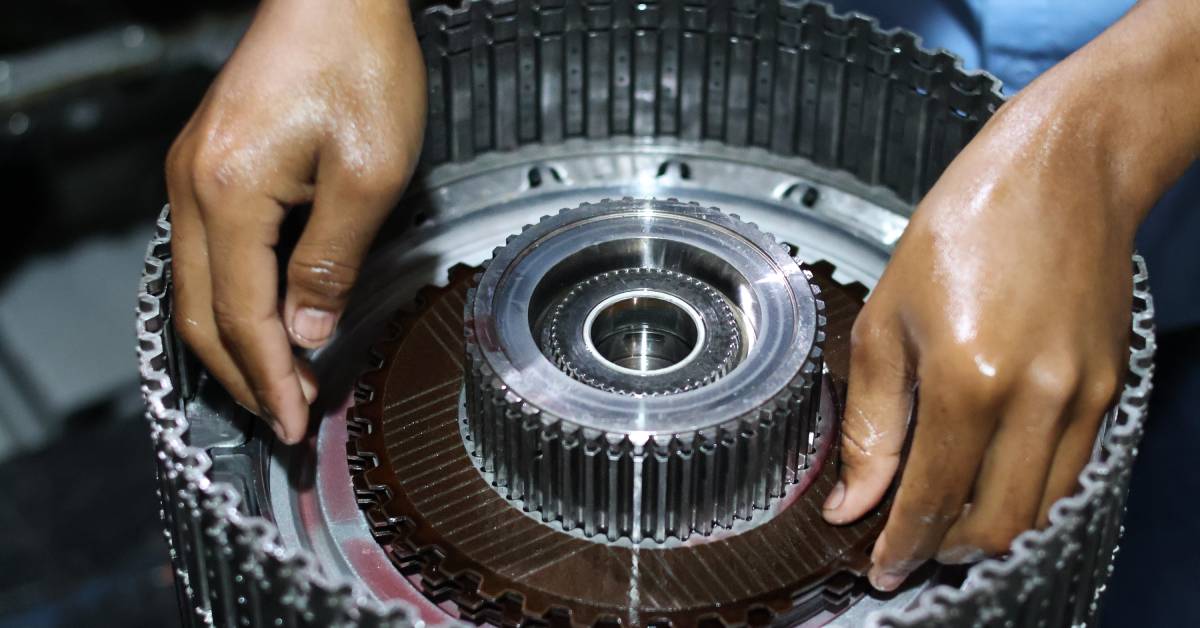
Every automatic transmission depends on reliable clutch engagement and proper heat control to deliver smooth performance. However, if car owners use poorly matched clutch components, this can result in clutch slippage, delayed shifts, or excessive heat during operation. If you want more dependable performance in your vehicle, you must know how to choose frictions and steels for your automatic.
Understand the Role of Frictions and Steels
If you’re unfamiliar with “frictions and steels,” it’s important to understand their purpose before you begin your search. They form the clutch packs inside an automatic transmission. Friction plates grip the steel plates during gear changes, allowing the transmission to transfer engine power efficiently. When builders select mismatched components, the transmission may struggle with heat buildup and clutch wear.
Different friction materials support different driving conditions. Steel plates also affect durability, as warped or damaged plates can cause uneven clutch contact and slippage.
Match Friction Materials to Your Driving Style
When choosing friction materials, drivers should base their decisions on how they use their vehicles. Street-driven cars benefit from smooth engagement and dependable operation during daily driving. Many enthusiasts prefer OEM-style frictions because they balance comfort and durability effectively.
Performance vehicles need stronger holding power during hard acceleration. Kevlar materials tolerate higher temperatures and repeated heavy shifts more effectively than standard materials. Drivers who tow or race should also install a high-quality transmission cooler, as excessive heat can quickly damage clutch packs.
Select Quality Steel Plates
Another tip for choosing steels for your automatic is to prioritize quality. Builders should inspect steels for scoring, discoloration, or warping before installation. Damaged steels can reduce clutch performance and create inconsistent shifts.
Many performance enthusiasts choose Kolene-coated steels because they improve heat resistance and clutch durability. Builders frequently pair these steels with carbon frictions to support firmer engagement and stronger holding power. Proper clutch clearance also matters during assembly because excessive clearance can create delayed shifts, while tight clearance may cause dragging.
Buy From a Trusted Supplier
One last tip for transmission enthusiasts is to buy parts from suppliers who understand automatic transmission applications and performance demands. Reliable suppliers provide quality components designed for long-term durability. Buyers should avoid generic rebuild kits that may contain inconsistent materials or poorly matched clutch components.
Choosing the right frictions and steels can improve your shift quality, durability, and transmission response. Drivers who select quality materials and maintain proper cooling can avoid premature wear and performance issues.
One example of a trusted supplier of automatic transmission parts for sale is Transparts Warehouse. Reach out to us today to start exploring our inventory and find the right components for your next rebuild.


