Many car enthusiasts pay close attention to the transmission because it controls how power moves through the vehicle. Gear changes, acceleration, and shifting performance naturally draw attention to this critical component.
However, the transmission works within a larger mechanical system that keeps the vehicle moving efficiently. To truly understand how power reaches the wheels, drivers must look beyond the transmission. Read on to learn about the powertrain and its key components.
What Is the Powertrain?
If you’re unfamiliar with the powertrain, it is the system that generates power in a vehicle and delivers it to the wheels so it can move. It manages how that energy becomes usable motion on the road. When the powertrain operates correctly, the vehicle accelerates smoothly, maintains efficiency, and delivers consistent driving performance.
What Comprises the Powertrain?
After defining its role, let’s look at the key powertrain components. Understanding these parts helps drivers see how the entire system functions.
The Transmission
In addition to managing engine power through the drivetrain, your transmission adjusts gear ratios to keep the engine running efficiently at different speeds. Drivers rely on the transmission to balance acceleration, power delivery, and fuel efficiency.
The Engine
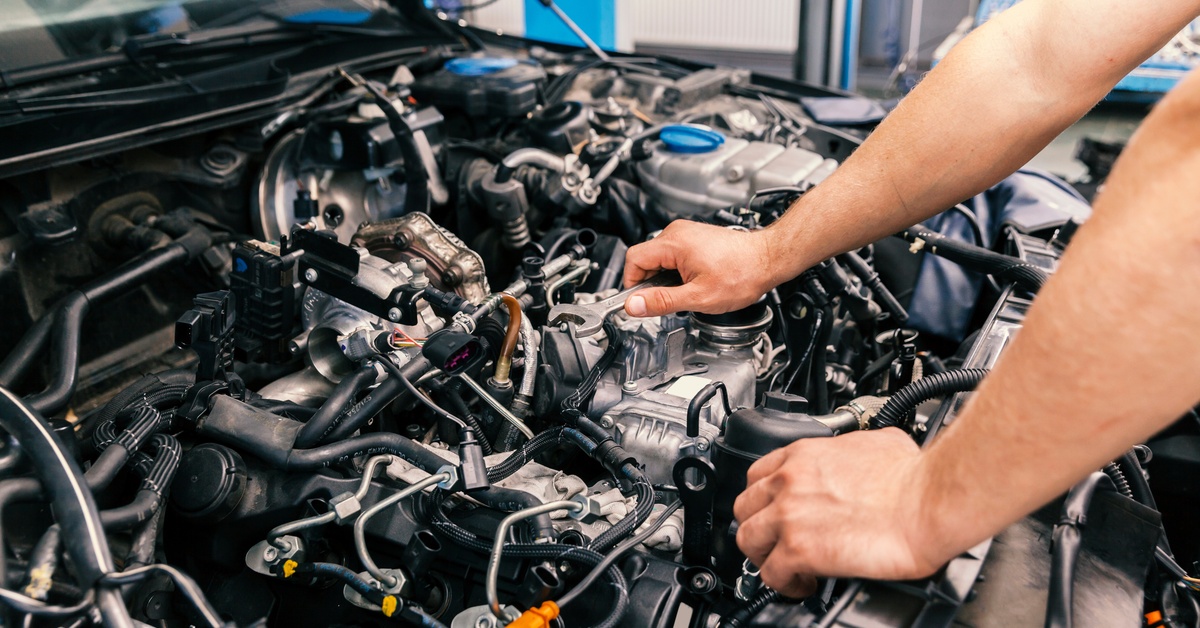
Your powertrain also includes the engine, which converts fuel into mechanical energy through controlled combustion. Every other powertrain component depends on the engine's output. Once the engine produces rotational force, that energy travels into the transmission and through the rest of the drivetrain.
The Driveshaft
Your vehicle’s driveshaft transfers rotational power from the transmission to the differential. It acts as the connection between the front portion of the powertrain and the rear axle assembly. Rear-wheel-drive and four-wheel-drive vehicles rely heavily on this component.
The Axles
Axles deliver torque from the differential directly to the wheels. They also support the vehicle’s weight while handling the forces generated during acceleration and turning. This dual role makes axles a critical part of the powertrain system.
The Differential
Finally, your car’s differential distributes power between the wheels on the same axle. It allows the wheels to rotate at different speeds when the vehicle turns. This function improves traction and protects the drivetrain from unnecessary stress.
Now you understand the purpose that the powertrain serves in your vehicle. When its components work together, they create smooth performance and dependable vehicle operation.
You can also ensure your vehicle stays dependable by buying high-quality components from Transparts Warehouse. Our inventory includes reliable transfer case parts that help your vehicle deliver top performance. Contact us today to learn more about how we can help improve your car.


