

The drivetrain of any vehicle relies on precisely engineered components working in harmony to transfer power from the engine to the wheels. This intricate system relies on stability and proper alignment to function efficiently and reliably.
However, a disruption in this balance can lead to performance issues that can be frustrating and downright dangerous. Fortunately, that’s where your vehicle’s transmission mount comes in. Read on to get a better understanding of this component.
The Transmission Mount’s Function
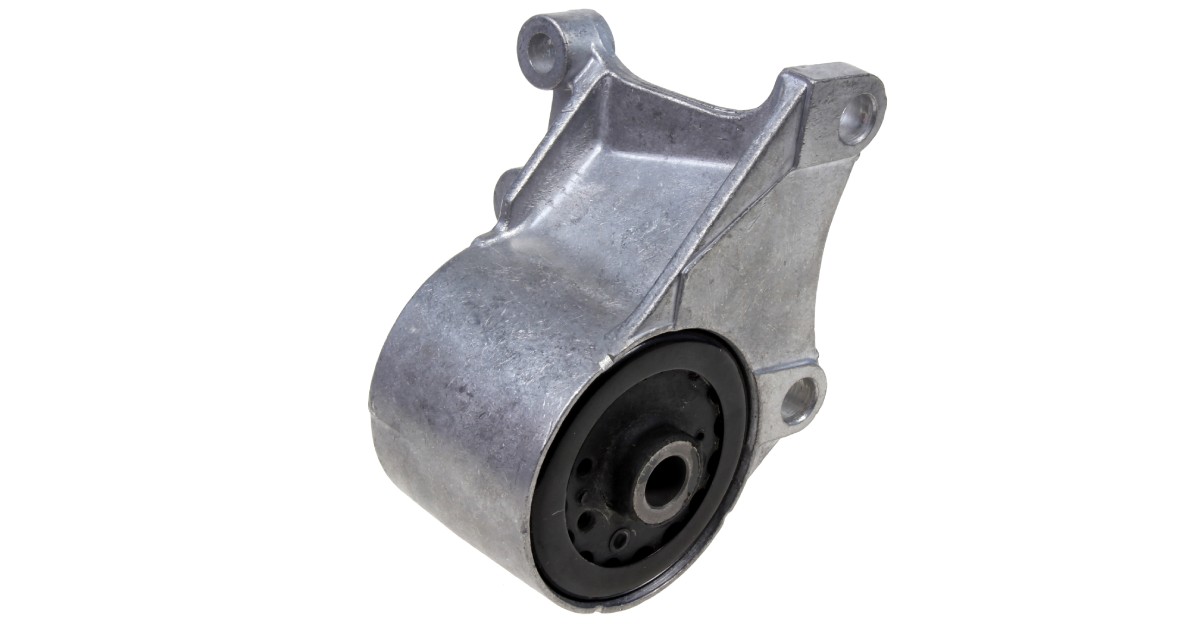
First and foremost, the transmission mount attaches your transmission to your chassis, preventing it from shifting or moving excessively during operation. This ensures that the driveshaft and other connected parts remain correctly aligned, which is essential for smooth power delivery and preventing premature wear on drivetrain components.
The second function of the transmission mount is to absorb and dampen engine and transmission vibrations. This results in a smoother, quieter ride. Without a functional mount, the driving experience would be significantly rougher, and the constant shaking could eventually damage other sensitive parts of the car.
Symptoms of a Failing Transmission Mount
Understanding the function of your vehicle’s transmission mount is key to recognizing the signs that it has worn out or started to fail. A common sign is more cabin noise and vibration, especially during acceleration or when the vehicle is in gear.
You might also hear thudding sounds when you shift gears, accelerate, or decelerate as the transmission moves and makes contact with the chassis. Excessive engine movement can also be a clear indicator.
Another symptom of a bad mount is difficulty shifting gears in a manual transmission or rough, delayed shifting in an automatic transmission. This occurs because the transmission's movement misaligns the shift linkage.
In severe cases, a completely failed mount can cause significant damage to other components, such as the driveshaft, exhaust pipes, and engine mounts, as the unsupported transmission puts excessive stress on them. Ignoring these signs can lead to more complex and costly repairs down the road.
The Importance of a Quality Replacement
When it’s time to replace your transmission mount, keep a few key considerations in mind to ensure you make the right choice. Always check that the mount is fully compatible with your vehicle’s make, model, and year, as minor differences can affect fit and performance.
Pay attention to material quality: high-grade rubber or polyurethane mounts tend to offer better vibration dampening and longer service life. Researching user reviews and seeking recommendations from trusted mechanics can also help you find a reliable, high-performing part that keeps your vehicle running smoothly.
A healthy transmission mount is essential for smooth handling, drivetrain longevity, and an enjoyable driving experience. Recognizing early signs of wear and replacing the mount promptly helps prevent repairs down the road.
When it comes time to repair your vehicle, seek out components from a trustworthy automatic transmission parts supplier. At Transparts Warehouse, we are ready to help you fix your transmission and restore it to an optimal level of performance.


